
Temporomandibular Joint Disorder, commonly known as TMJ or TMD, affects the joints that connect your jawbone to your skull. These joints play a crucial role in everyday functions like speaking, chewing, and yawning. When something goes wrong with this complex system of muscles, ligaments, discs, and bones, it can lead to a range of uncomfortable symptoms. TMJ disorder can be difficult to diagnose because many of its signs overlap with other health conditions. However, understanding the most common symptoms can help you identify whether TMJ might be affecting you.
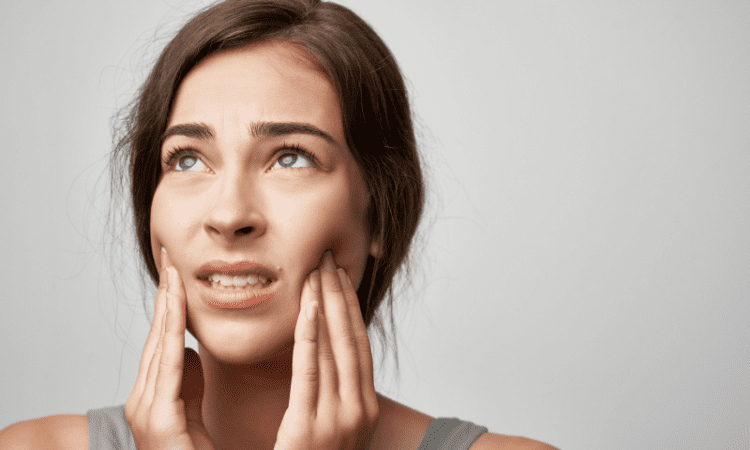
Jaw Pain and Stiffness
One of the most telling signs of TMJ disorder is persistent jaw pain or stiffness. This discomfort can be felt on one or both sides of the face and is often concentrated near the ear or the hinge of the jaw. Some people experience this pain only when they chew or speak, while others may feel it constantly. The pain can range from a dull ache to a sharp, stabbing sensation, and it often worsens with jaw movement.
Clicking or Popping Sounds
Another hallmark symptom of TMJ disorder is clicking, popping, or grinding noises when opening or closing your mouth. These sounds can be alarming and may or may not be accompanied by pain. Although some joint sounds can be harmless, if they are frequent or occur alongside other symptoms like discomfort or limited movement, it’s worth investigating further.
Difficulty or Discomfort While Chewing
People with TMJ disorder often report that eating becomes uncomfortable or even painful. The act of chewing can strain the jaw joint, leading to increased tension and soreness. In some cases, individuals might favor one side of their mouth to avoid discomfort, which can further aggravate the condition. If you notice that your jaw tires quickly during meals or if certain foods are suddenly harder to chew, it could be a sign of TMJ dysfunction.
Limited Jaw Movement or Locking
TMJ disorder can sometimes cause the jaw to feel “locked” or stuck in an open or closed position. You might find it difficult to open your mouth wide or to close it completely. This limitation in mobility can make basic tasks like eating, speaking, or even yawning more challenging. The sensation of a locking jaw is usually unsettling and may come with pain or tension in the surrounding muscles.
Facial Pain and Headaches
Pain associated with TMJ doesn’t always stay confined to the jaw. It can radiate to other parts of the face, neck, and shoulders. Many people with TMJ disorder experience tension headaches or migraines, often due to clenching or grinding their teeth, a condition known as bruxism. Earaches, pressure behind the eyes, and pain around the temples are also common complaints. These symptoms can be misleading, making it easy to confuse TMJ with sinus issues, dental problems, or even neurological conditions.
Changes in Bite or Tooth Wear
A subtle but telling sign of TMJ disorder is a shift in how your upper and lower teeth align. You may feel like your bite has changed or that your teeth no longer fit together as they once did. This can be the result of muscular tension or joint dysfunction. Additionally, TMJ-related clenching and grinding can lead to uneven tooth wear, chipped enamel, or increased tooth sensitivity.
When to Seek Help
If you recognize several of these symptoms in yourself, it’s important to consult a dentist experienced in TMJ disorders. Early diagnosis and treatment can help prevent the condition from worsening. Depending on the severity, treatment may include physical therapy, bite splints, stress management techniques, or, in some cases, surgical intervention.
At Slate Dental, we are dedicated to preserving your oral health. If you suffer from chronic jaw pain or stiffness, TMJ disorder could be the culprit. We offer oral appliance therapy as well as restorative and orthodontic treatments that could help. Contact our office today to schedule a consultation and learn more about your treatment options.